


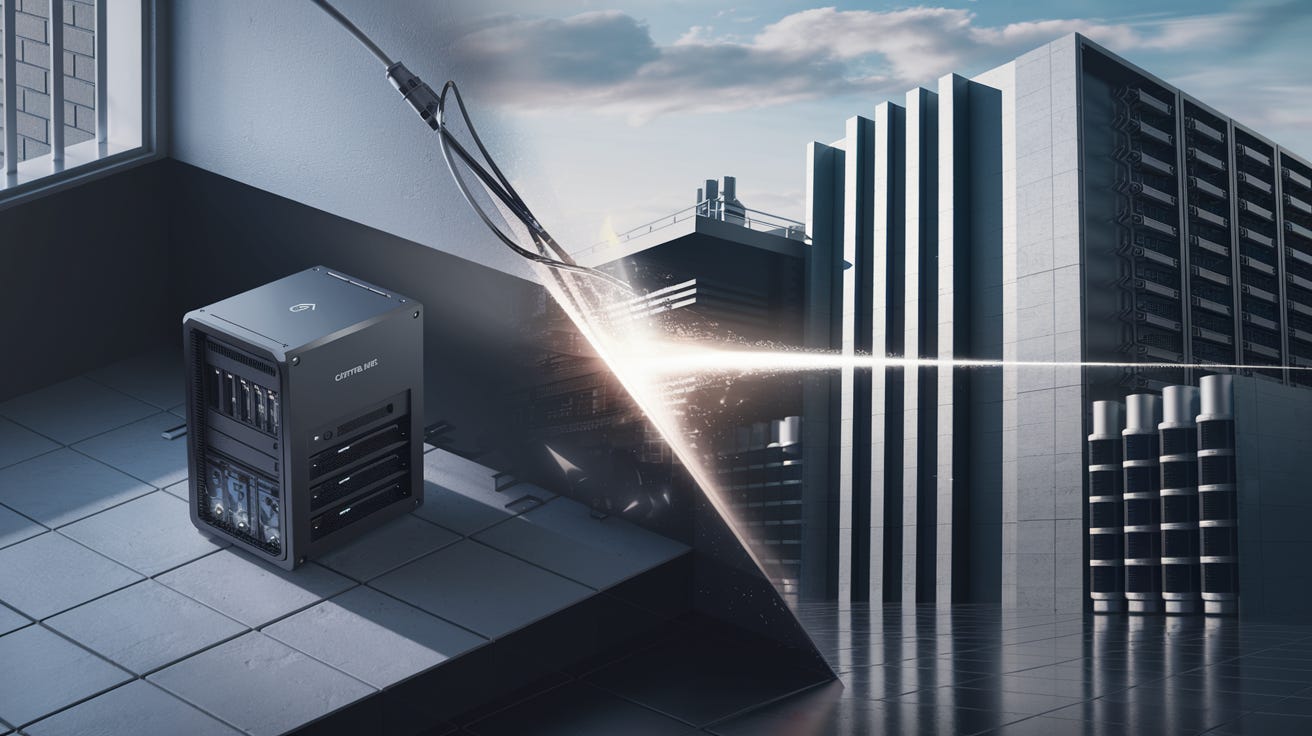
They told you that “Frontier AI” was too big for you to own. They said it required a hundred-billion-dollar “AI Factory” and a direct line to the power grid. They were wrong. The release of the latest open-weights models proves that the “intelligence moat” is evaporating, and you can now run a world-class reasoning engine in your own living room without asking for a login.
Top spot in open-source reasoning
In the last 24 hours, new benchmark data confirmed that Kimi K2.5 has taken the top spot in open-source reasoning. It achieves a 97% score on the AIME 2025 math reasoning test, matching the performance of the most expensive proprietary models from OpenAI and Google. While Nvidia and OpenAI are building 10-gigawatt data centers to keep their lead, these open models are being optimized to run on consumer-grade hardware through tools like Ollama and LM Studio.
What this means for local AI solutions
The gap between “Corporate AI” and “Sovereign AI” is now effectively zero for most practical tasks. If you can run a model that matches GPT-5 levels of reasoning locally, the arguments for centralized “safety” protocols fall apart. You no longer need to submit your data to a corporate server to get high-level coding assistance or complex data analysis. This is the ultimate “permissionless” capability.
Re-evaluating the AI market
The establishment has a massive incentive to ignore or disparage these models. They want to maintain the narrative that AI is a “dangerous high-risk utility” that requires state-mandated reporting. If the public realizes they can have the same power for free, without a censor looking over their shoulder, the multibillion-dollar “safety” and “compliance” industry loses its reason for being.
Open source is a direct threat to the revenue models of the “AI factories.” Why pay Microsoft $250 billion for Azure services when you can host your own intelligence on a private cluster?
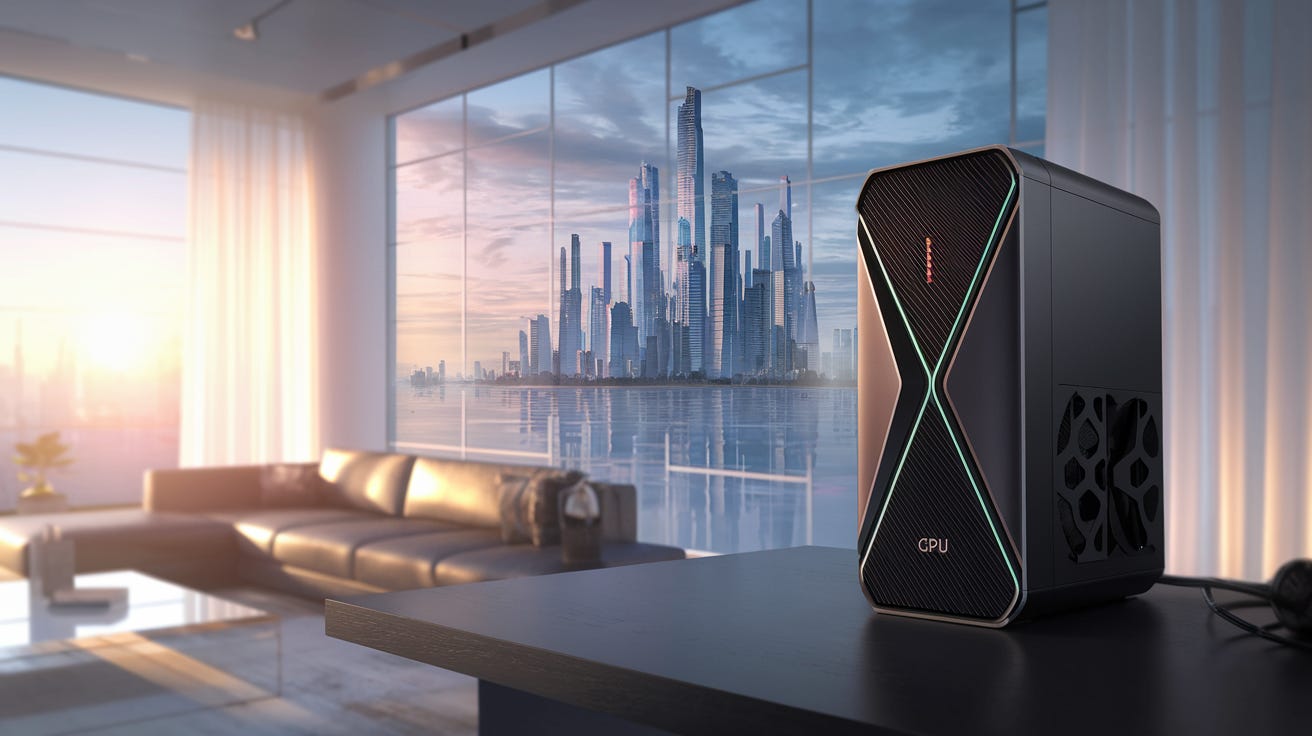
How to use this information
Popular AI readers who have access to some beefy hardware can try their hand at running the model right now, using the resources listed here:
Download Kimi K2.5 or Llama 4 Scout: These models are available on Hugging Face. Get the weights now while they are still open.
Move to local orchestration: Use Bifrost or LocalAI to build your own private API. This allows you to swap models in and out without your applications breaking or your data leaking.
Invest in “thinking” hardware: Prioritize VRAM capacity in your hardware purchases. A machine with 48GB+ of VRAM is the “minimum viable tool” for AI independence in 2026.
Those who want to utilize AI effectively in their workflows and day-to-day lives essentially have two options: either run your own models or be prepared to have your professional life audited by proprietary AI and the sinister bureaucrats regulating it.
Explore more from Popular AI:
Start here | Local AI | Fixes & guides | Builds & gear | AI briefing