



In the time it takes to watch a long movie, the state can now legally erase your digital existence. A new regulation has turned the internet from a permanent record into a disappearing act, where unlawful thoughts are scrubbed by the government at lightning speed. If you think this is a local problem in India, you are ignoring the blueprint being drafted for the entire Western world.
On February 10, 2026, the Indian Ministry of Electronics and Information Technology notified sweeping amendments to the Information Technology Rules. The most aggressive change is a mandatory three-hour deadline for platforms to remove content flagged by the government. The rules also require mandatory labeling of all AI-generated or synthetically-generated information. Any intermediary that fails to comply loses its safe harbor protection. This change makes the company legally liable for everything its users post.
Why your lawyer can’t save you
The three-hour window is a functional impossibility for human review. This mandates the creation of automated censorship APIs where the government can directly plug into platform backends. When a bureaucrat flags a post as deceptive or unlawful, the platform’s algorithms must purge it immediately to avoid catastrophic legal liability. This effectively ends the era of public dissent on major platforms. By the time a lawyer can draft a challenge, the content is gone. The momentum is dead and the narrative is secured.
The ultimate fast-forward button for history
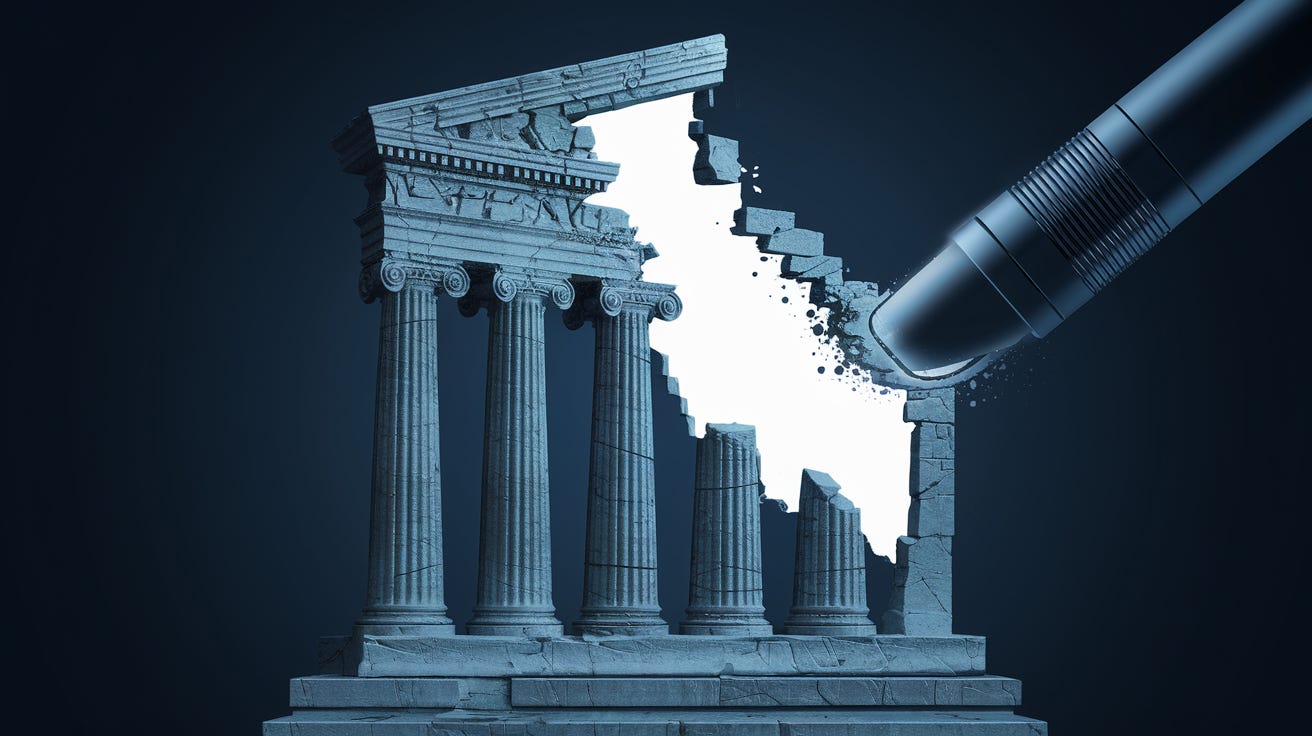
The state gains the ultimate fast-forward button for history. By defining synthetic content broadly, authorities can target anything from deepfake parodies to legitimate AI-assisted research that challenges official statistics. Social media giants are incentivized to over-censor. Since the penalty for missing the three-hour deadline is the loss of legal immunity, platforms will default to removing anything even remotely controversial. This creates a compliance chill where only the most bland, state-sanctioned speech is allowed to remain.
Building a wall against the digital guillotine
To fight back, you should move to Peer-to-Peer protocols because the three-hour takedown relies on centralized servers. You can use decentralized social protocols like Nostr or Mastodon where there is no central delete button for the state to press. You must also self-host your evidence. If you see important information, archive it locally and do not trust save buttons on centralized platforms. You can use tools like SingleFile to keep offline copies of critical news. Finally, you should support end-to-end encryption by using messengers like Signal for coordinating and sharing information. If the state cannot see the content, they cannot flag it for a three-hour execution.
Rapid-response censorship is the new standard for state control. Those who rely on centralized platforms for their information are effectively seeing only what the curators have chosen not to delete in the last three hours.
Explore more from Popular AI:
Start here | Local AI | Fixes & guides | Builds & gear | AI briefing